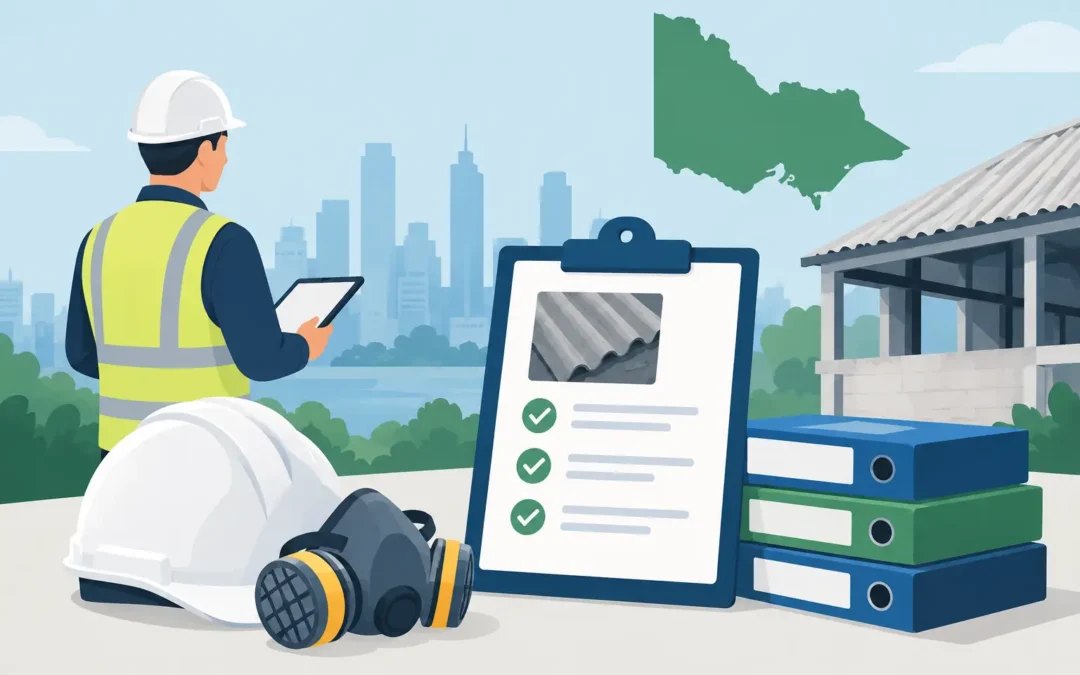
A register that has not been updated since the last tenancy change can create a serious problem before the first wall is opened. For Victorian property owners, builders and facility managers, this asbestos register management guide explains how to keep asbestos information useful, accessible and fit for the work being planned.
An asbestos register is not paperwork for paperwork’s sake. It is a working record that helps people avoid disturbing asbestos-containing material, plan safe maintenance and meet their duty of care. When it is accurate, it gives contractors clear direction. When it is vague, incomplete or unavailable, it can lead to stopped works, unexpected costs and potential exposure.
What an asbestos register is designed to do
An asbestos register records the location, type and condition of asbestos or presumed asbestos in a workplace. It should help a person understand what material is present, where it is located, whether it is damaged and what controls apply before work starts.
For workplaces in Victoria, asbestos identification and register requirements sit under the Occupational Health and Safety Regulations. A register is generally required where asbestos has been identified or is likely to be present. Buildings constructed before 31 December 2003 deserve particular care, as asbestos-containing products were widely used in Victorian homes, commercial premises, factories and public buildings before that date.
The register is only one part of managing asbestos. It works alongside an asbestos management plan, safe work procedures, contractor consultation and, where required, licensed removal and clearance processes. A good register does not give permission to drill, cut or demolish. It tells the people planning the work what must be considered first.
Start with a competent asbestos audit
The value of a register depends on the quality of the inspection behind it. A desktop review, old building plans or a previous report may provide useful background, but they should not be treated as proof that every asbestos risk has been identified.
A competent audit involves a systematic inspection of accessible areas and building elements. Depending on the site, this may include roofing, eaves, wall linings, vinyl flooring, electrical boards, pipe lagging, fire doors, plant rooms, ceiling spaces, outbuildings and service penetrations. Industrial and commercial sites may also contain asbestos in older plant, gaskets, brake components, insulation or underground services.
Some materials can be identified with reasonable confidence by their appearance and location. Others require samples to be collected and analysed by an appropriate laboratory. Where sampling is not practical or would create unnecessary disturbance, the material may need to be treated as presumed asbestos until proven otherwise.
An audit should be matched to the planned use of the building. A management survey may be suitable for day-to-day occupancy and minor maintenance. Refurbishment or demolition work often needs a more intrusive inspection of the affected area. This distinction matters because concealed asbestos may not be visible until linings, floors, ceilings or services are opened.
What a usable register should include
A register needs enough detail for a contractor or worker to find the material without guessing. Broad descriptions such as asbestos in various areas are not sufficient for a site with active maintenance, renovations or multiple occupants.
Each entry should identify the exact location, material or product description, asbestos type where known, condition and approximate quantity or extent. It should also record the date of inspection, how the material was identified, any photographs or marked-up plans, and recommendations for management.
The condition assessment is particularly useful. Stable, sealed asbestos cement sheeting in good condition may be managed in place with suitable controls. Friable or damaged material, deteriorating insulation, loose debris or material in a high-traffic area requires a more urgent response. The register should make that difference clear.
It is also sensible to record materials that were not accessible during the audit. Locked rooms, enclosed risers, roof voids and areas behind fixed plant can contain unknowns. Rather than leaving a false impression that the area is clear, note the limitation and specify what must occur before intrusive work proceeds.
Make the register available before work begins
A register stored in a filing cabinet or forgotten folder is of limited use. It must be readily accessible to the people who need it, including employees, contractors and any person carrying out maintenance, refurbishment or demolition work.
Before engaging a tradesperson, provide the relevant register information and discuss the proposed scope. This is especially important for plumbing, electrical work, air-conditioning installation, data cabling, roofing repairs and emergency make-safe work. Small jobs are often where uncontrolled disturbance happens because the work appears straightforward.
For larger sites, keep a current digital copy and ensure the site contact knows where the controlled version is held. Contractors should receive the relevant information before quoting and again before starting. If the work changes on site, stop and reassess rather than assuming the original register covers newly exposed areas.
A register should also be considered during property acquisition, lease negotiations, building handovers and contractor inductions. These are practical points where information is often lost between one responsible party and the next.
Review the register when conditions change
An asbestos register is not a once-only document. It needs review at least every five years and whenever circumstances mean the information may no longer be accurate. A review may confirm that material remains stable, or it may identify damage, removal works, changed access conditions or new information from refurbishment.
Update the register after asbestos removal so it shows what was removed, where it was removed from and the relevant dates and documentation. Do not simply delete the old entry without a record. Clear history helps future owners, facility managers and contractors understand the building fabric.
A review is also needed after an incident, storm damage, fire, water ingress or accidental disturbance. For example, a broken asbestos cement eave after a fallen branch is no longer an intact material managed through routine monitoring. The area may need to be isolated, assessed and professionally cleaned or removed.
Common register management mistakes
The most common mistake is treating an old register as a complete map of a building. Older reports may have been prepared for a limited purpose and may not cover inaccessible areas or later alterations. The register must be read with its scope and limitations in mind.
Another issue is relying on a register for a neighbouring area when the planned work is intrusive. A register may identify asbestos in an office ceiling, but a contractor installing new services could encounter concealed material in wall cavities or risers. The work scope should drive the level of investigation.
Poor version control also causes confusion. If different teams hold different PDFs, nobody can be certain which document reflects the latest removal or inspection. Nominate a responsible person, date each update and retain supporting reports, photographs and clearance documentation together.
Finally, avoid using the register as a substitute for competent advice. If suspected asbestos is damaged, friable or likely to be disturbed, isolate the area where practical and arrange an assessment. Untrained handling, sweeping or pressure cleaning can spread contamination well beyond the original material.
A practical asbestos register management guide for planned works
Before any renovation, demolition or major maintenance, check the register against the actual work area and the methods proposed. Confirm whether the document is current, whether all affected areas were inspected and whether any unknowns remain. If asbestos or presumed asbestos is present, plan controls before workers arrive on site.
The right response depends on the material, its condition and the work being undertaken. Some asbestos-containing materials can remain safely in place when they are sound, labelled where appropriate and unlikely to be disturbed. Removal may be the safer long-term choice where materials are damaged, difficult to manage or directly affected by planned works.
For removal, use a suitably licensed and insured asbestos contractor for the class of work required. The job should be planned around containment, safe removal methods, waste transport and disposal, and any required clearance inspection. Cutting corners to keep a renovation moving can create far greater delays and cost later.
If you manage an older Victorian workplace or are preparing a building for refurbishment, a current register gives you a clear starting point. Asbestos Audits Australia can assist with practical asbestos audits and advice so decisions are based on site conditions, not assumptions. The safest next step is to check the records before work starts, then act on what the building is telling you.