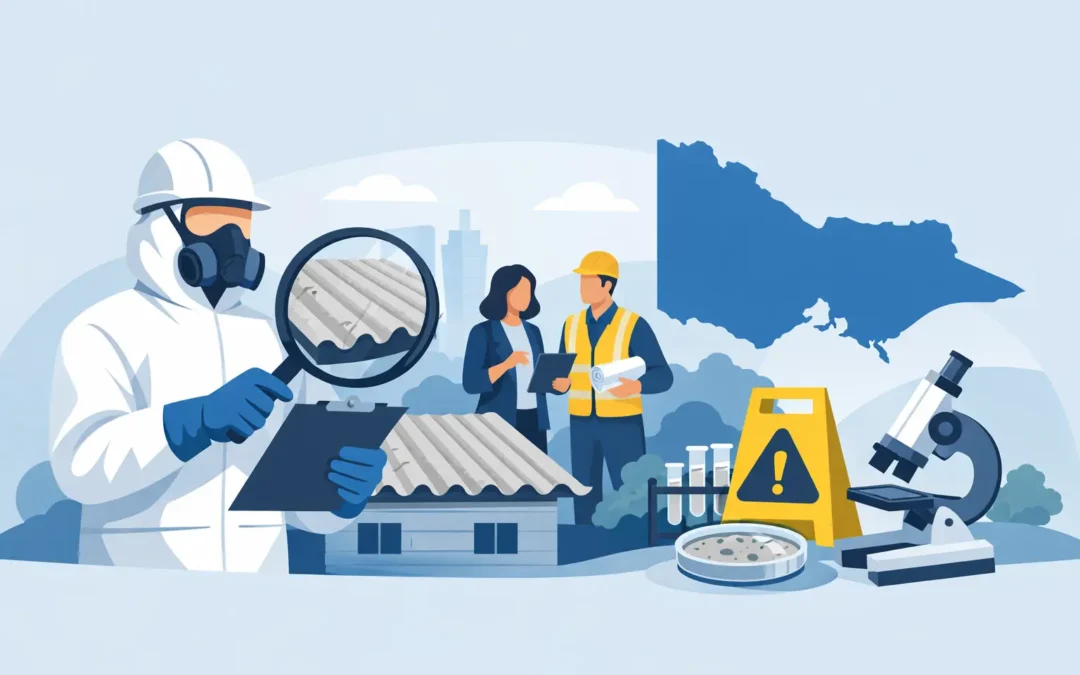
A renovation can look straightforward until an old eave, vinyl floor, switchboard backing or pipe lagging is disturbed. That is when property owners ask who can conduct asbestos audits – and whether the person inspecting the site is properly qualified to give advice that protects workers, occupants and the project.
The short answer is that asbestos audits should be conducted by a competent, experienced person with the training, knowledge and practical capability to identify asbestos-containing materials, assess their condition and document the risk. The exact level of licensing or formal qualification required depends on the type of building, the purpose of the audit and the work planned afterwards.
For homes, workplaces, factories and public buildings across Victoria, choosing the right specialist is not a box-ticking exercise. A poor inspection can leave asbestos missed, create delays once works begin, or expose people to fibres that should have been managed from the start.
Who can conduct asbestos audits?
An asbestos audit is generally carried out by an asbestos consultant, occupational hygienist, suitably trained hazardous materials professional or an experienced asbestos contractor with the right competence for the scope of work. They should understand where asbestos was commonly used, how to inspect without causing unnecessary disturbance, when samples are needed, and how Victorian asbestos requirements apply to the site.
Competence matters more than a job title. A capable auditor can recognise both obvious and less visible materials, including asbestos cement sheeting, textured coatings, insulation, adhesives, gaskets, electrical backing boards and old vinyl products. They also know that a material cannot be confirmed as asbestos-free simply because it looks harmless.
For a commercial or industrial site, ask about previous work on similar buildings and whether the auditor understands your operating environment. A warehouse with plant and ageing services presents different risks to a weatherboard house or a retail tenancy. Good old fashioned service also means taking the time to understand what is planned, rather than issuing a generic report.
The audit must suit the planned work
Not every asbestos inspection has the same purpose. Before engaging anyone, be clear about whether you need an asbestos register review, a management audit, a refurbishment inspection or a pre-demolition audit.
A management-focused audit helps a person with management or control of a workplace identify asbestos that could be disturbed during normal occupation, maintenance or minor works. The findings are used to create or update an asbestos register and asbestos management plan. In practice, this may involve accessible areas, plant rooms, ceilings, external cladding and service routes, depending on the property.
A refurbishment audit is more intrusive because it is designed around planned alterations. If walls, floors, ceilings, bathrooms or services will be opened up, the inspection needs to consider materials behind finished surfaces. The area may need to be vacant and isolated while the work is carried out.
A demolition audit is typically the most comprehensive. Demolition can expose hidden materials across the full structure, so the person conducting the audit needs enough access, experience and planning discipline to investigate areas that would not be checked during a routine management inspection. It is not sensible to rely on an old register alone before demolition.
When does a licensed asbestos assessor need to be involved?
A licensed asbestos assessor has a specific role under Victorian asbestos removal requirements, particularly around independent air monitoring and clearance inspection after certain licensed removal work. This role should not be confused with every asbestos audit.
For example, an auditor may identify suspect asbestos materials and prepare a report before building works. If licensed removal is then required, an independent licensed asbestos assessor may be engaged to undertake air monitoring where required and issue a clearance certificate once the removal area has been inspected and is safe for normal reoccupation.
The practical point is simple: do not assume that one person or business can perform every part of the process without checking their credentials and the regulatory requirements for your job. Independence is particularly valuable for clearance work because it gives clients confidence that the removal area has been assessed properly.
What to check before you book an asbestos auditor
The right questions can quickly separate an experienced specialist from someone offering a quick visual look-over. Ask whether they have relevant asbestos training, experience with your property type, current insurance and a clear method for sampling and reporting.
You should also ask what the inspection includes. Will accessible roof spaces, subfloors, service ducts, outbuildings, plant rooms and external structures be considered? Are laboratory samples included or quoted separately? If access is restricted, will the report clearly identify limitations and recommend further investigation before work proceeds?
A useful audit report should do more than state that asbestos may be present. It should identify the material and location, describe its condition, note the likelihood of disturbance, provide photographs where appropriate, and recommend practical controls. For workplaces, it should provide information that can be used to update the asbestos register and communicate risks to contractors.
Be wary of an auditor who guarantees a property is asbestos-free after a brief visual inspection. Hidden asbestos cannot be ruled out where surfaces have not been accessed. A professional report should be clear about what was inspected, what could not be inspected and what needs to happen before intrusive work begins.
Why sampling and laboratory analysis matter
Visual identification is useful, but many asbestos-containing materials look similar to non-asbestos products. Where a material needs confirmation, a sample should be collected carefully by a competent person and analysed by an appropriately accredited laboratory.
Sampling is not always necessary. If a material is known or strongly suspected to contain asbestos, it can be managed as asbestos without disturbing it for testing. This may be the safer and more cost-effective option when the material is in good condition and no works are planned.
However, laboratory results can help avoid unnecessary removal, clarify a builder’s scope and support safer decisions before refurbishment or demolition. The right approach depends on access, the material’s condition, the urgency of the project and whether sampling itself would create a risk.
Responsibilities for property owners and duty holders
Homeowners planning work on properties built before 2004 should assume asbestos may be present until a competent inspection or laboratory result shows otherwise. Builders and trades should not cut, drill, sand or remove suspect material based on guesswork. Stopping work early is far less costly than managing a contamination incident after the fact.
For workplaces, the person with management or control of the premises has broader duties. They need to know whether asbestos is present, maintain an asbestos register where required, make relevant information available to workers and contractors, and manage the material so it is not disturbed. An audit is often the starting point, but it must be followed by practical site controls.
If damaged asbestos is found, the response may range from restricting access and arranging repair through to licensed removal. The safest option is not automatically removal. Stable, well-managed asbestos can sometimes remain in place, while friable, damaged or frequently disturbed material usually needs more urgent attention.
Choose experience, not the cheapest report
A low-cost audit can become expensive if it misses materials, gives vague recommendations or cannot support the next stage of the project. The best value is an inspection that is thorough for the intended work, clearly reported and delivered by people who can explain the findings in plain language.
Asbestos Audits Australia works with residential, commercial, industrial and government clients throughout Melbourne and Victoria, providing practical advice backed by experienced hazardous materials expertise. Whether you are preparing to renovate, managing a workplace or planning demolition, arrange an audit early so the right controls can be put in place before work starts.