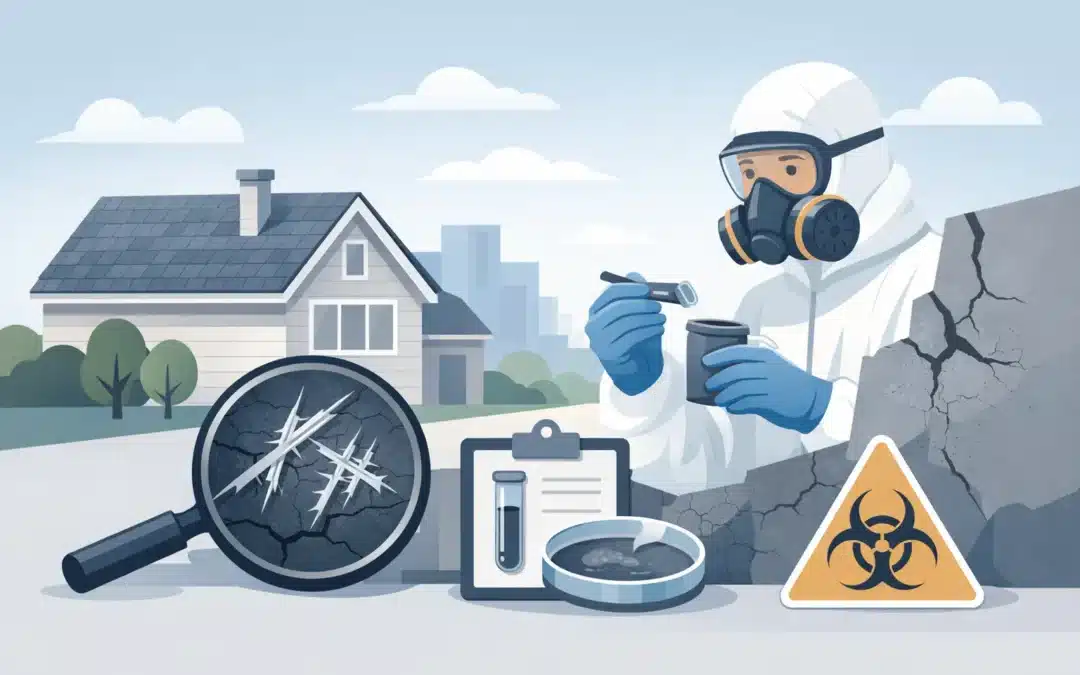
A cracked eave, old vinyl floor tiles or fibre-cement sheeting can stop a renovation in its tracks. In Victorian homes and workplaces built before 2004, asbestos testing services provide the evidence needed to make the right call before anyone cuts, drills, sands or demolishes suspected materials.
Guessing is not a safe or cost-effective approach. Materials containing asbestos can look like modern alternatives, while materials that look concerning may not contain it at all. Professional sampling and laboratory analysis replace uncertainty with a clear result, allowing property owners, builders and site managers to plan work properly.
Why asbestos testing matters before work starts
Asbestos is generally safest when it is in good condition and left undisturbed. The risk changes when building materials are damaged, weathered or disturbed during renovation, maintenance, demolition or soil works. Cutting into a sheet, lifting old flooring or removing a wall can release fibres that cannot be seen with the naked eye.
Testing is not simply a box to tick. It helps identify where asbestos may be present, what type of material is involved and whether the planned work requires controls, licensed removal or a different method altogether. For a homeowner, that may prevent a straightforward bathroom renovation from becoming a contamination issue. For a commercial or industrial site, it supports duty-of-care decisions, contractor coordination and project programming.
The cost of testing is usually small compared with the cost of stopping a job halfway through, arranging emergency cleaning or dealing with contaminated areas. It also gives everyone on site a shared, factual starting point rather than relying on assumptions.
When to arrange asbestos testing services
The right time to test is before work begins, not after materials have been disturbed. This is particularly relevant for buildings constructed before asbestos was fully banned in Australia in 2003, including homes, factories, warehouses, schools, offices and public buildings.
Testing should be considered before renovations involving bathrooms, kitchens, laundries, roofs, eaves, flooring, walls, fences, garages or sheds. Common suspect materials include fibre-cement sheeting, vinyl tiles and backing, textured coatings, insulation, pipe lagging, adhesives, roofing products and older electrical backing boards.
Builders and facility managers should also arrange testing before intrusive maintenance. Replacing services, installing air conditioning, drilling through walls, upgrading switchboards and repairing roof leaks can all disturb concealed materials. If the scope of work involves demolition, refurbishment or excavation around older structures, an asbestos audit or broader survey may be more useful than testing one visible item.
There are times when a sample is not the first step. If material is visibly damaged, friable or creating dust, the priority is to keep people away from the area and seek professional advice. Do not sweep debris, use a household vacuum cleaner or attempt to collect a sample yourself. Disturbing the material to obtain a sample can make the situation worse.
What professional testing involves
A professional process starts with understanding the property, the age of the building and the work you intend to carry out. An experienced operator will inspect accessible areas and identify materials that require sampling or closer assessment. This matters because asbestos was used in many products, often in places property owners do not expect.
Samples need to be collected carefully to minimise disturbance and prevent the spread of dust. The material is then securely packaged, labelled and sent for laboratory analysis. The laboratory result confirms whether asbestos is present and, where relevant, the type identified.
The final advice should be practical. A positive result does not automatically mean the whole building needs removal. The appropriate response depends on the material’s condition, location, accessibility and the work proposed. In some cases, leaving sound material in place and managing it is appropriate. In others, removal by a licensed asbestos removalist is the safer and compliant option.
For larger or more complex sites, a detailed asbestos audit can identify known and suspected asbestos-containing materials across the property. This is especially valuable when multiple contractors will be involved or works will take place in stages. A clear register and management plan can reduce confusion and help prevent accidental disturbance later.
Testing, audits and air monitoring are different services
These terms are often used interchangeably, but they solve different problems. Understanding the difference helps you request the right service and avoid delays.
Testing is focused on a specific material. It answers the question: does this product contain asbestos? It is well suited to a homeowner with suspect eaves, an old floor covering or a single wall sheet that will be affected by planned work.
An asbestos audit takes a wider view of a building or site. It identifies accessible asbestos-containing materials and suspected materials, records their condition and location, and supports decisions around management, refurbishment or demolition. It is often the more sensible starting point for commercial premises, industrial facilities and major upgrades.
Air monitoring is a separate control measure used in particular removal or high-risk work situations. It assesses airborne fibre levels and should not be treated as a substitute for material testing. A clear material result and an appropriate work plan are still needed before disturbance occurs.
Choosing a provider in Victoria
Asbestos work carries health, safety and legal responsibilities, so price should not be the only deciding factor. The cheapest quote can become expensive if the scope is vague, sampling is poorly handled or the advice does not match the work ahead.
Look for a provider with demonstrated asbestos experience, appropriate licensing and insurance for the service being performed, and a straightforward explanation of what is included. They should be able to explain how samples are collected, where analysis is undertaken, what results you will receive and what happens if asbestos is confirmed.
For removal projects, ensure the contractor is properly licensed for the class of asbestos involved and follows Victorian requirements for containment, removal, transport and disposal. Friable asbestos requires a higher level of control than bonded asbestos products. Your contractor should be upfront about this distinction and about any site preparation, clearance or waste-management requirements.
Responsiveness also matters. A builder waiting to start a job and a homeowner living with a damaged garage wall both need clear advice without unnecessary delays. Good old fashioned service means answering questions plainly, turning up prepared and leaving the area clean and properly managed.
What to do while you wait for results
Once a material has been identified as suspect, pause any work that could disturb it. Keep trades, children and pets away from the area where practical. Avoid drilling, sanding, cutting, pressure cleaning or moving loose pieces.
If the material is intact, do not panic. Many asbestos-containing materials can remain safely in place until a planned, controlled removal is arranged. The key is preventing damage and making sure anyone working on the property knows the material has not yet been cleared.
For workplaces and shared properties, document the affected area and communicate the restriction to staff, tenants and contractors. A simple, clear instruction can prevent an avoidable exposure while results and next steps are being organised.
A clear result keeps the project moving
Testing is most valuable when it informs a decision. A negative result may allow planned work to proceed with confidence. A positive result gives you the opportunity to organise the right controls, engage licensed removal where required and protect people before the job becomes more complicated.
Asbestos Audits Australia provides practical advice for Victorian property owners and project teams dealing with suspected asbestos, from targeted testing through to audits, removal and contaminated soil work. If you have a material you are unsure about, arrange an assessment before the first tool touches it. A timely answer now can protect your people, your property and the schedule you are working to.