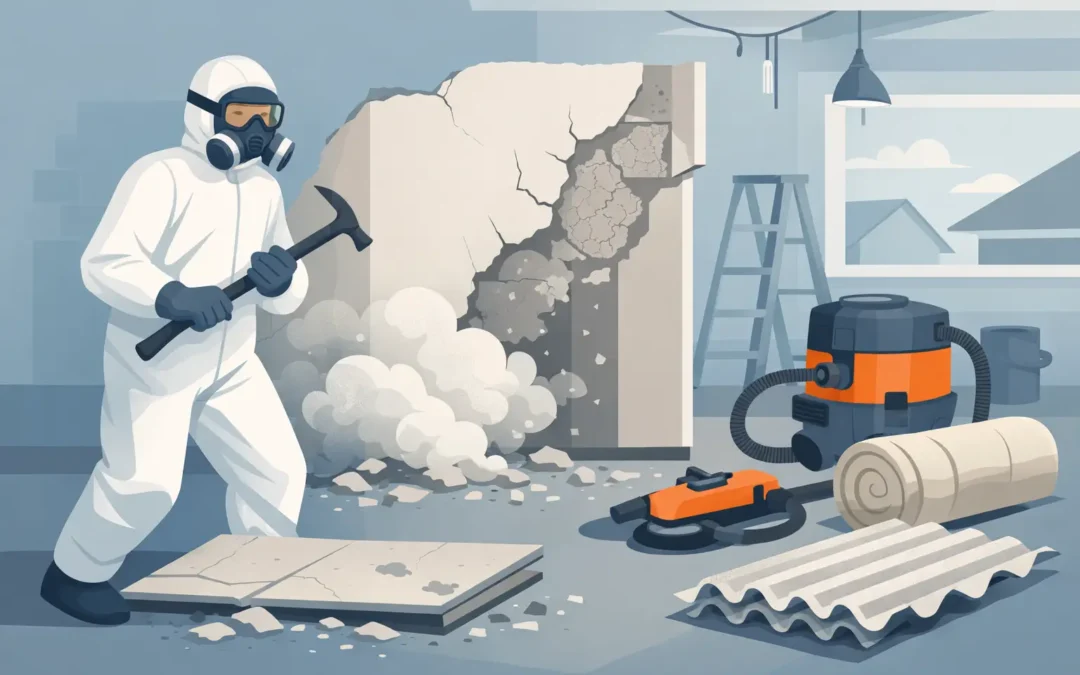
A wall that looks ready for a quick demolition can conceal a serious health risk. In Victorian homes and buildings constructed before 2004, asbestos-containing materials may be present in places most renovators would not immediately suspect. Understanding the top asbestos risks in renovations before work begins can prevent fibre exposure, costly delays and unsafe disposal.
Asbestos is not usually dangerous when it is in good condition and left undisturbed. The risk changes when renovation work cuts, breaks, drills, sands, pulls apart or demolishes materials containing asbestos. Once airborne, microscopic fibres can be inhaled and may remain in the lungs. There is no safe level of asbestos exposure, which is why a practical, cautious approach is the right one.
Why renovation work creates asbestos exposure
Renovations are disruptive by nature. Removing an old kitchen, replacing a bathroom, opening up a laundry or stripping external cladding often involves the exact activities that release fibres from bonded asbestos products. A material may appear solid until a power tool, pry bar or demolition hammer damages it.
The danger is not limited to the person doing the work. Fibres can settle on clothing, tools, work vehicles and nearby surfaces. They can also move through open doors, windows, air-conditioning pathways and shared spaces. For builders, facility managers and commercial operators, that creates an additional duty-of-care issue for workers, tenants, customers and other contractors on site.
A visual inspection alone cannot confirm whether a product contains asbestos. Age, location and appearance can indicate a risk, but laboratory analysis of a properly collected sample is the reliable way to identify it.
Top asbestos risks in renovations
Drilling, cutting and sanding old sheet products
Asbestos cement sheeting was widely used in walls, ceilings, eaves, wet areas, garages, sheds and external cladding. It is often referred to by older trade names, but brand names are not a reliable identification method. The material can look similar to modern cement sheet.
Drilling a few holes for a shelf, cutting an opening for a window or sanding a weathered surface can create respirable dust. The risk increases sharply if the sheet is brittle, damaged, weathered or broken during removal. Dry cutting with power tools is particularly hazardous and should never be treated as ordinary renovation dust.
Removing vinyl flooring and backing
Older vinyl tiles, vinyl sheet flooring, backing materials and some adhesives can contain asbestos. This is commonly uncovered during kitchen, bathroom and laundry upgrades, particularly when old floor coverings are lifted to prepare for new tiles or hybrid flooring.
The issue is often made worse by scraping, grinding or sanding adhesive residue from the slab or timber subfloor. A rushed flooring preparation job can turn a small area of suspected material into widespread contamination. Before lifting old flooring, establish what is present and plan the work accordingly.
Demolishing bathrooms, laundries and kitchens
Wet areas deserve extra care because asbestos was commonly used for wall linings, ceiling sheets, backing boards, splashbacks and flooring. A bathroom demolition can involve several layers of material installed over decades, with newer finishes concealing older asbestos-containing products.
Breaking out walls, removing a bath surround or pulling down a ceiling without checking first can release fibres into an enclosed room. These spaces also make cleaning more difficult because dust can settle behind cabinetry, inside vents and on rough surfaces. The same caution applies to old kitchens, particularly around wall linings, stove splashbacks and beneath floor finishes.
Disturbing insulation, flues and old service penetrations
Not all asbestos is obvious sheet material. Some older buildings may contain asbestos in insulation, pipe lagging, ducting components, gaskets, rope seals, electrical backing boards or around old heaters and flues. These materials can be more friable than cement sheeting, meaning they may crumble more easily and release fibres with very little disturbance.
The risk is higher when trades are chasing walls, replacing hot-water services, upgrading switchboards or working around old plant equipment. In commercial and industrial settings, undocumented alterations and ageing services can make this particularly difficult. An asbestos register or targeted audit can help identify risks before trades arrive on site.
Roofs, eaves, fences and outdoor structures
External work is not automatically low risk. Older corrugated roofing, eaves, gable ends, carports, garages, fences, downpipes and garden sheds may contain asbestos cement. Years of weather exposure can leave these products fragile, especially around fixings, edges and previous repairs.
Pressure cleaning, sanding, cutting or dropping sheets from height can spread contaminated debris well beyond the immediate work area. Roof replacement also carries fall hazards, so it is not a job to approach with makeshift controls. Careful removal, controlled lowering, proper packaging and lawful disposal are essential.
Poor handling of rubble and contaminated soil
Asbestos is often discovered after demolition has started, mixed through general building rubble. Broken fragments can also be buried in soil around older homes, factories and redevelopment sites. This is common where previous owners demolished sheds, fences or extensions and left materials on site.
Once asbestos is mixed with rubble or soil, the scope of work can increase quickly. Treating it as normal rubbish, loading it into a skip without confirmation or spreading soil around the property can extend the contamination. Separation, assessment and appropriate waste management protect the site and prevent an avoidable clean-up becoming a larger remediation project.
Common mistakes that make the risk worse
One of the most common mistakes is assuming that a small job means a small risk. Even minor drilling, patching or removal can release fibres if the wrong material is disturbed. Another is relying on a dust mask bought for general DIY work. It does not make unplanned asbestos work safe, particularly where removal or friable material is involved.
Dry sweeping, using a domestic vacuum cleaner and blowing dust away with compressed air are also unsafe responses to suspected asbestos debris. These actions can put fibres back into the air or spread them into clean areas. Do not bag up unknown fragments, take samples yourself or continue demolition simply to keep the project moving.
There is also a financial trade-off to consider. Skipping an assessment can appear cheaper at the start, but a mid-project discovery may stop trades, delay deliveries, affect occupants and require contamination controls across a larger area. Identifying the risk early gives owners and project managers a clearer programme, cleaner worksite and more reliable budget.
What to do when asbestos is suspected
Stop work in the immediate area and keep people away from the material. Avoid touching, breaking, sweeping or moving it. If dust or debris has been created, do not attempt a DIY clean-up. Isolate the area as far as practical and arrange professional advice.
The right next step depends on the type, condition and amount of material, as well as the work planned. An asbestos audit or inspection can identify likely asbestos-containing materials and guide sampling where required. For removal, use an appropriately licensed and insured asbestos contractor with the experience to manage containment, removal, transport and disposal in line with Victorian requirements.
For commercial, industrial and government-managed properties, planning should start before the scope is issued to trades. Review available asbestos registers, allow for investigation of concealed areas and make sure contractors understand site controls. This reduces the chance of a surprise discovery after work has begun.
Plan the renovation before the first cut
Safe renovation work is not about creating unnecessary delays. It is about making the right call before a saw, drill or demolition tool touches an older building material. A prompt assessment can give homeowners confidence to proceed, while helping builders and facility managers meet their safety and compliance responsibilities.
If your Melbourne or Victorian renovation involves an older property, treat unknown materials with care and get clear advice early. Asbestos Audits Australia provides practical, professionally managed support for asbestos audits, removal, contaminated soil and demolition work, with the focus kept where it belongs: a safe, clean site and a job done properly.