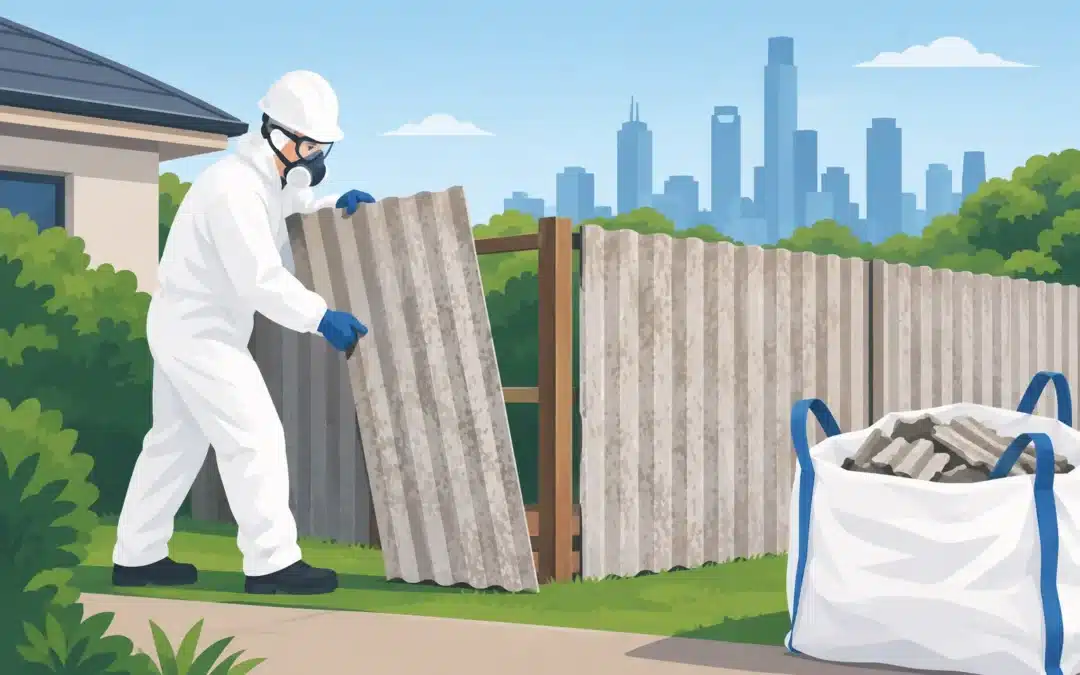
A cracked or ageing fence can quickly become a bigger concern when it is made from asbestos cement. The asbestos fence removal cost is not simply a price per panel. It reflects the work needed to remove a hazardous material without breaking sheets, spreading debris or leaving contaminated soil behind.
For Melbourne and Victorian property owners, the right approach is to get the fence assessed and quoted by an experienced asbestos contractor before anyone starts pulling panels down. A cheap removal can become expensive very quickly if sheets are broken, waste is dumped illegally or neighbouring properties are affected.
What does asbestos fence removal cost in Melbourne?
Every site is different, but a professional asbestos fence removal quote will usually account for labour, safe removal methods, waste transport, lawful disposal, site clean-up and any access or contamination issues. For a straightforward residential fence line with good access, costs may start from around $1,500 to $3,500 for a smaller section. A full boundary fence, difficult access site or fence requiring extensive clean-up can cost $4,000 to $8,000 or more.
These figures are a guide only, not a substitute for a site inspection. A short fence made of intact sheets in an open backyard is a very different job from a long, weathered fence running between tightly built homes in an inner-Melbourne suburb.
Commercial, industrial and government sites may also require additional planning, controls and documentation. Where the fence is close to work areas, public access points, services or other structures, the scope can increase considerably.
The main factors that affect the price
Fence length is the obvious starting point, but it is not the only factor. The number of sheets, their height and their condition all affect how long safe removal takes. Older asbestos cement fences can become brittle after decades of weather exposure. Sheets that are cracked, loose or already broken need more careful handling and cleaning than sound panels that can be removed whole.
Access is often one of the biggest cost variables. A fence beside a wide driveway is easier to manage than one located down a narrow side passage, behind a garage or along a steep block. Contractors need enough room to establish a safe work area, move wrapped materials and load waste securely for transport.
The fence location matters too. A shared boundary may require practical coordination with a neighbour. A fence near vegetable gardens, children’s play areas, air-conditioning units or outdoor living spaces may need extra protection and clean-up measures. If asbestos fragments are found in soil along the fence line, contaminated soil removal may be needed in addition to removing the fence itself.
Waste disposal is a legitimate and necessary part of the cost. Asbestos cannot go into a standard skip bin or household rubbish collection. It must be packaged, transported and disposed of through approved channels. Quotes that appear unusually low may exclude disposal charges, clean-up, GST or other essential parts of the work. Always check what is included.
Why DIY removal can cost more in the long run
Many asbestos fences are made from non-friable asbestos cement sheeting. When left undisturbed and in good condition, this material may present a lower risk than loose or damaged asbestos. The risk changes when sheets are drilled, cut, snapped, dropped or handled roughly.
Trying to remove an old fence with a crowbar, power tools or a demolition approach can break sheets into fragments and create contaminated areas around the property. That can lead to a larger clean-up job, additional testing and delays to your renovation, sale or construction schedule.
In Victoria, asbestos removal is regulated. The amount and type of asbestos, as well as the work conditions, determine the licensing and safety requirements that apply. For larger non-friable asbestos jobs, a suitably licensed removalist is required. Professional contractors also understand the need for controlled handling, correct personal protective equipment, appropriate waste packaging and proper site decontamination.
The practical point is simple: asbestos fencing is not general demolition waste. It needs a planned removal process from the first panel to the final site clean.
What should be included in a proper quote?
A clear quote gives you confidence about both the price and the job standard. It should identify the fence area to be removed and explain how the contractor will manage safe access, removal, waste and clean-up.
Ask whether the quote includes site set-up, labour, asbestos waste wrapping, transport, disposal fees and a visual clean of the affected area. If the fence condition is poor, ask how broken pieces and debris beneath the fence will be dealt with. This is particularly relevant where soil has built up against the sheets over many years.
For a shared fence, it is worth confirming who is responsible for the replacement fence once asbestos removal is complete. Removal and new fencing are usually separate scopes of work, although coordinating the timing can help avoid leaving a property unsecured for longer than necessary.
A professional contractor should also be willing to explain the assumptions behind the quote. For example, a price may rely on clear access through a side gate, no unexpected buried debris and sheets being able to be removed without major disturbance. Good old fashioned service means being upfront about these details before work begins.
When fence condition changes the scope
An intact asbestos fence can often be carefully dismantled in larger sections. That is generally quicker and cleaner than dealing with fragmented material. However, fences that have been hit by trees, vehicles or storms may have broken sheets scattered along the boundary.
Damage does not automatically mean the job will be excessively costly, but it does mean the contractor must allow for more detailed collection and cleaning. Loose fragments may be hidden by leaves, mulch, soil or garden growth. A site inspection helps identify whether the fence removal itself is the main task or whether the surrounding ground also needs attention.
Avoid sweeping, blowing, vacuuming with a household vacuum or high-pressure cleaning around a damaged asbestos fence. These actions can disturb fibres or spread fragments. Keep people and pets away from the affected area where practical, and arrange professional advice promptly.
Planning around neighbours, builders and renovations
Asbestos fence removal often happens just before landscaping, extensions, demolition or new fencing. Scheduling matters. If builders, electricians, concreters or fencing contractors are due on site, the asbestos work should be properly completed first so later trades are not working around hazardous materials.
For boundary fences, speak with neighbours early. They may need to secure pets, move outdoor furniture or provide access. Clear communication also reduces disputes over access, replacement fencing and the condition of shared gardens.
If you are buying or selling an older property, an asbestos fence should not be ignored because it is outside the house. Knowing the likely removal cost gives you a more realistic view of the project budget and avoids a last-minute issue when works are ready to start.
Choosing value rather than the lowest price
The lowest asbestos fence quote is not always the best value. Compare what each contractor is actually providing, not just the final figure. Experience with asbestos fencing, appropriate licensing, insurance, disposal arrangements and a clear work plan are all part of a properly managed job.
At Asbestos Audits Australia, the focus is on safe, clean and professionally managed asbestos work across Melbourne and Victoria. An on-site assessment allows the team to provide practical advice based on the actual fence, access conditions and surrounding area, rather than offering a guess over the phone.
A well-managed removal protects the people on site, your neighbours and the next stage of your project. If you are concerned about an old asbestos fence, arrange an inspection and get a clear quote before the fence becomes a larger problem.