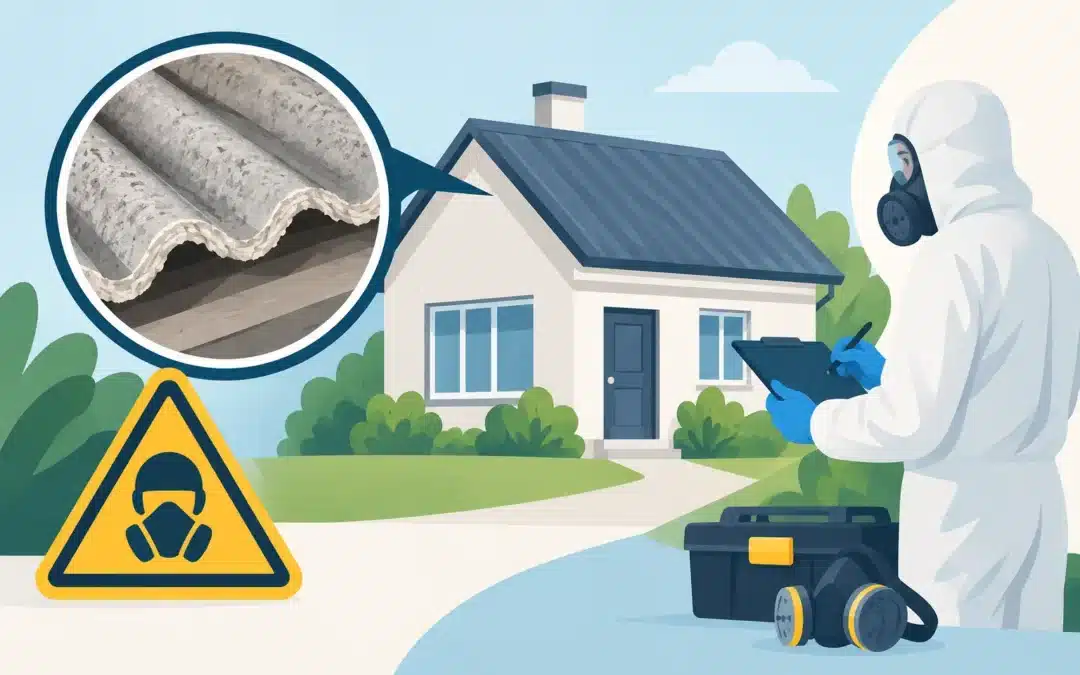
A drill through an old eave, a cracked vinyl tile lifted during a renovation, or damaged pipe lagging in a plant room can turn a routine job into a health risk. Reducing asbestos exposure risks is not about guessing which materials are safe. It is about stopping unnecessary disturbance, getting clear advice early and using properly controlled methods when work must proceed.
For Victorian homeowners, builders and facility managers, asbestos is often discovered when a project is already underway. The best response is calm and practical: stop the work, keep people away from the area and arrange a professional assessment before making the next move.
Why asbestos becomes dangerous when disturbed
Asbestos-containing materials are not automatically hazardous simply because they are present. The risk increases when fibres are released into the air and can be breathed in. Cutting, drilling, sanding, breaking, pressure-cleaning or stripping old materials can release fibres, particularly where a product is friable, weathered or already damaged.
Older residential properties, commercial buildings, factories, sheds and public facilities may contain asbestos in more places than owners expect. It can be found in cement sheeting, eaves, roofing, wall linings, vinyl floor coverings, backing materials, old switchboards, pipe insulation, gaskets and fire-rated products. Contaminated soil can also be an issue where previous demolition, dumping or building work has left fragments below or on the surface.
Visual inspection alone cannot confirm every material. Some products look similar to modern alternatives, while painted or concealed materials can hide their condition. Treating suspect material with caution until it has been assessed is the sensible option.
Reducing asbestos exposure risks before work starts
The safest asbestos job is the one planned before tools arrive on site. For a renovation, demolition project, maintenance task or property purchase, an asbestos audit or targeted inspection can identify likely materials and determine what needs sampling, removal or management.
For commercial, industrial and government sites, this planning is part of managing duty of care. A current asbestos register, clear labelling where appropriate and safe-work information for contractors help prevent someone from unknowingly disturbing a hazardous material. The register must also reflect building changes. An old document that does not account for recent works is not much help to the person about to drill into a wall or access a ceiling space.
Homeowners should take the same approach on a smaller scale. Before replacing a bathroom, removing an old fence, renovating a kitchen or changing flooring in an older home, ask what materials may be affected. This is especially relevant for homes built before asbestos use was phased out in Australia. Do not rely on a builder, neighbour or previous owner making an educated guess.
Avoid the common triggers for fibre release
Many exposure incidents begin with a shortcut. A material is broken up to fit in a ute, an old roof is pressure-cleaned, or a contractor starts work without checking the substrate. These actions can spread contamination well beyond the immediate work area.
Do not cut, grind, drill, sand, water-blast or use high-pressure cleaning equipment on suspected asbestos-containing materials. Do not use a domestic vacuum cleaner or blower to clean dust and debris, as this may spread fine particles. Likewise, do not sweep up suspect fragments dry or place them in ordinary rubbish bins.
If you find broken cement sheeting, damaged insulation or suspect debris in soil, keep people and pets clear. Avoid tracking material through the property on shoes, tyres or equipment. Restrict access until a qualified professional can assess the situation and recommend the right controls.
Choose the right level of professional help
Not every suspect material requires immediate removal. If asbestos-containing material is intact, in good condition and unlikely to be disturbed, management in place may be safer than unnecessary removal. This depends on its location, condition, accessibility and the planned use of the area.
Removal is generally the right course where the material is damaged, friable, affected by construction works or cannot be safely managed over time. The work should be planned around the material type, site layout, occupancy and the possibility of contamination. A small domestic job and a large industrial shutdown need different controls, but both need competent judgement.
Using a suitably licenced and insured asbestos contractor provides more than labour. It gives you a defined scope of work, appropriate containment and decontamination processes, safe handling arrangements and compliant waste disposal. It also gives builders, facility managers and property owners a clear record that the issue was handled professionally.
For higher-risk work, air monitoring, independent clearance inspection or clearance certification may be required or strongly advisable, depending on the work and site conditions. These controls help verify that an area is safe to reoccupy rather than relying on appearance alone.
Control the work area, not just the material
Personal protective equipment has a role in asbestos work, but it is not the first or only control. A mask does not make uncontrolled cutting or demolition safe. Effective risk reduction starts with preventing fibre release, isolating the area and using the correct removal method.
A professionally managed job may involve exclusion zones, warning signs, controlled access, protective sheeting, wet methods where suitable, dedicated decontamination arrangements and secure packaging for waste. The exact setup depends on the material and the job. Over-controlling a simple task can add cost and delay, while under-controlling a high-risk task can expose workers, occupants and the public.
For occupied commercial buildings, timing also matters. Work may need to occur outside normal operating hours, staged around tenants or coordinated with other trades. For industrial sites, isolation of plant, services and traffic routes can be just as important as the removal itself. Good planning protects people without creating unnecessary disruption to operations.
Be careful with asbestos in soil and demolition waste
Asbestos in soil requires particular care because fragments may be dispersed across a large area and mixed with other building waste. It can be uncovered during excavation, landscaping, drainage works or redevelopment of older sites. The material may not be obvious until digging has started.
If suspect fragments are found, stop excavation in that location and prevent vehicles or machinery from moving the material further. A proper assessment can establish the extent of contamination and the most appropriate removal method. Depending on the site, this may involve surface collection, controlled excavation, validation sampling and disposal at an approved facility.
Demolition also needs more than a quick visual check. Before structures are disturbed, asbestos-containing materials should be identified and addressed through a planned process. Demolishing first and sorting waste later creates a bigger contamination problem, increases disposal costs and places workers at unnecessary risk.
What to do if you think you have disturbed asbestos
Do not panic, but do not continue working. Leave the immediate area if dust or debris has been created, prevent others from entering and avoid moving loose material through the building or site. Do not attempt a major clean-up with household equipment.
Record the location, the activity being carried out and the materials involved. This information helps an asbestos specialist assess what may have happened and advise on next steps. In some cases, the response may be straightforward isolation and controlled clean-up. In others, particularly where friable material or widespread dust is involved, more detailed decontamination and clearance processes may be necessary.
Asbestos Audits Australia provides practical advice and professionally managed asbestos services across Melbourne and Victoria, from inspections and audits through to removal, contaminated soil works and demolition support. The aim is simple: identify the risk early, control it properly and leave the site clean and ready for the next stage of work.
If a material is uncertain, treat uncertainty as the warning sign it is. A quick professional assessment before renovation, maintenance or demolition can protect the people on site, prevent costly delays and give you confidence that the work is being handled the right way.